Game viewing/drive.
Naturally spotting wildlife is the reason most people plan an African safari adventure. It is an experience unlike any other, to see animals freely roaming in their own natural habitat.
The presence of varieties of animals in the Tarangire national park attracts many safari lovers to visit the park for game drives.
Tarangire has the largest population of elephants in northern Tanzania. There are also large numbers of zebras, giraffes, water buffalo, and warthogs, as well as large predators like lions, leopards, and hyenas.
It is highly recommended to Visit the park during the dry season (June to October), this is because you’ll be able to see the amazing abundance of wildlife.
Tarangire River is the only permanent source of water in the area during the dry season, so animals flock all day along the river.
· Birding.
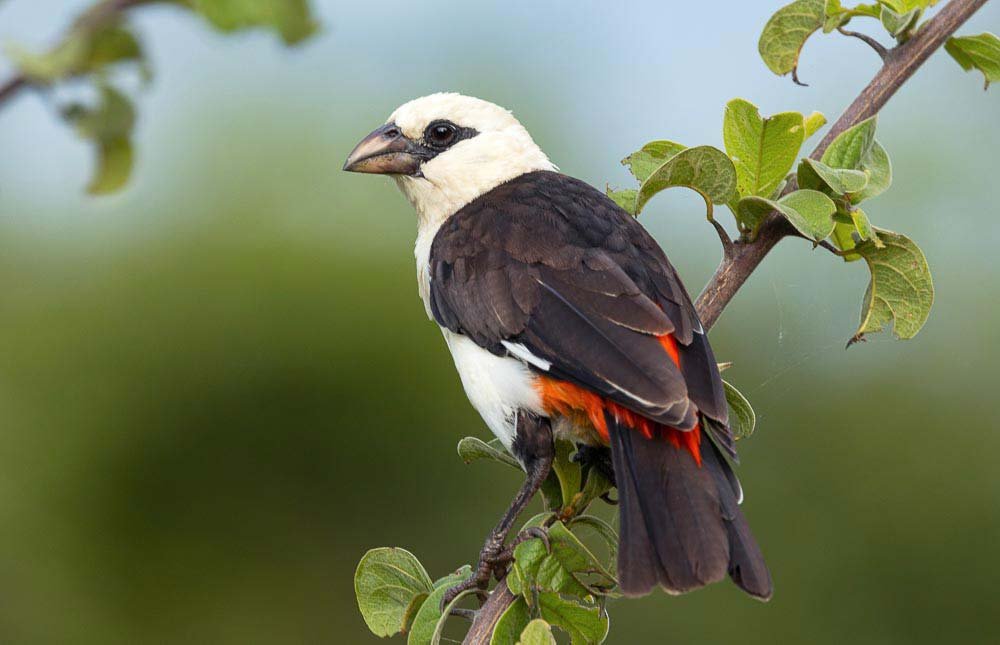
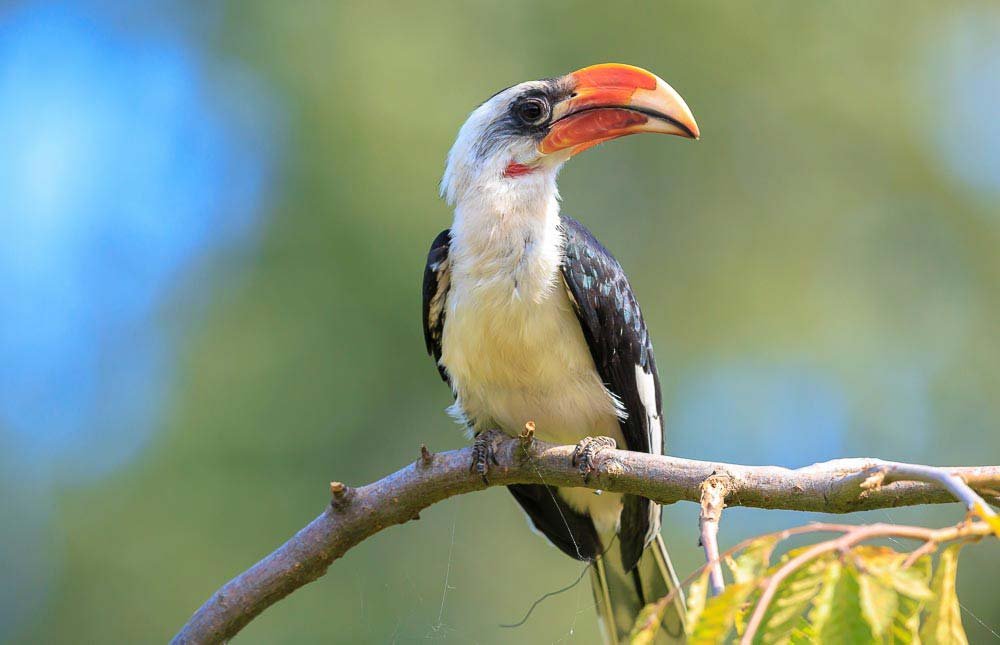
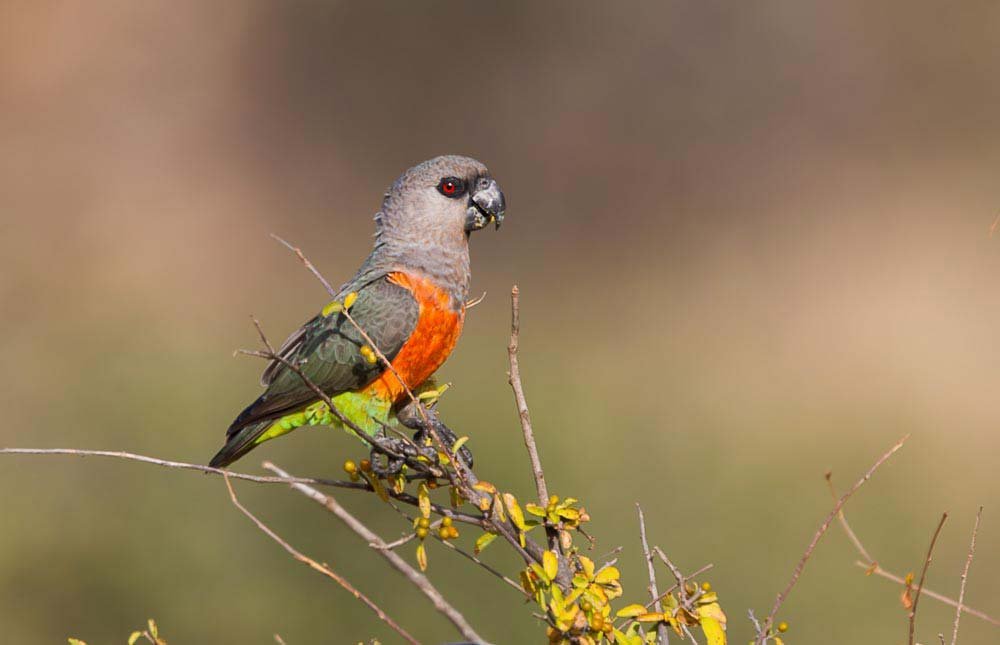
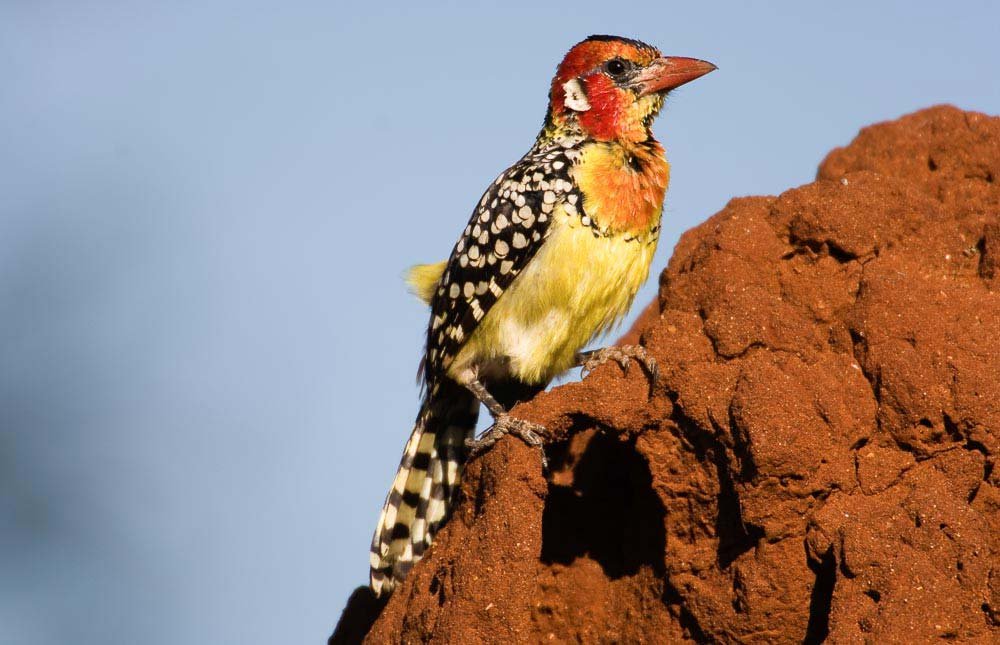
There are more breeding species of birds found in the Tarangire national park than anywhere else on the planet thus making it to be a paradise for birders.
The park has a recorded number of 550 different bird species which is the highest count of any Tanzanian park and about the third of all bird species in Tanzania.
Bird watching Tarangire national park.
· Cultural visit.
The Tarangire national park is surrounded by the local people villages (the datoga, barbaric, and the Maasai people). This gives opportunity and attracts visitors to visit learning and experience their culture.
Spending a day in a real Maasai Village and sharing Maasai life, listening to well-narrated stories about their well-kept secrets is something else right?
Then a visit to one of the villages around Tarangire will give you a chance to Walk through the settlements and meet Maasai jewelry makers, Weaving groups,s and local markets on market days.
Also, you will get a chance to learn more about Maasai pastoralists their heritages, and their natural medicines that treat a number of diseases.
Walking safaris.
Discover the Tarangire on foot during a multi-day walking safari. Go back in time and feel like you are the first explorer to the area.
The wilderness becomes more real when you become part of it. Explore remote areas where safari vehicles are not allowed and see the unseen.
Your senses start working when you connect with nature and walk on the same trail as lions, elephants, and giraffes. Smell the bush, feel the warm African breeze and hear elephants trumping in the distance.
No worries! It is all safe as during your walking safari will be accompanied by an armed and experienced game ranger.
It is such an exciting experience to be so close to nature.
Arusha National Park
· Balloon safari.
The unique and ultimate way to see the beauty of the Tarangire is by floating in a hot air balloon over the land of the giants at dawn. Witnessing the sunrise over the African baobab trees and herds of elephants below is something else.
Enjoy a bird’s eye view of this awesome park, while you float in the direction the wind takes you. After a one-hour balloon flight, a glass of champagne and a delicious English breakfast awaits, to celebrate this amazing adventure.
Balloon Safari Tarangire National Park
Night game drive.
This type of activity will give you a chance to experience African bushes at night. Some of the African wild animals are impossible to spot on normal day game drives.
Night drives at Tarangire National Park are particularly spectacular and not to miss.
Night game drive Tarangire National Park