Ruaha NationalPark

Übersicht

Der Ruaha-Nationalpark ist für viele Afrika-Liebhaber ein beliebtes Safari-Reiseziel. Und das aus gutem Grund: Wenn es um die Kombination aus Wildnis und vielfältiger Tierwelt geht, ist Ruaha kaum zu übertreffen. Die unberührte Buschlandschaft spiegelt sich auch in den begrenzten Unterkunftsmöglichkeiten wider, die hauptsächlich aus exklusiven rustikalen Lodges und Zeltcamps bestehen, die über ein weitläufiges Gebiet verteilt sind.

Safari-Touren nach Ruaha NationalPark

No data was found

Unterkünfte in Ruaha NationalPark

Marafiki Beach Hotel
Nimali Mara
Olmorijo Migration Camp (Kogatende)
Serengeti Sound of Silence Tented Camp
Lake Eyasi Safari Lodge
Karatu Tented Lodge
Tarangire Safari Haven Camp
Lake Burunge Tented Lodge

Die Lake Burunge Tented Lodge liegt in spektakulärer Lage direkt am Ufer des Burunge

WEITERLESEN
La Luna Suite Apartments
Mwezi Boutique Resort

FAQ Über Ruaha NationalPark

Ruaha National Park, located in central Tanzania, stands as the country’s second-largest national park, encompassing a vast area of approximately 20,226 square kilometers. This magnificent national park is celebrated for its remote and untouched wilderness, offering an authentic safari experience with far fewer tourists compared to the more frequented northern circuits. The lifeblood of Ruaha National Park is the Great Ruaha River, which carves its way through the park, sustaining a remarkably diverse ecosystem.

Ruaha National Park is a premier destination for serious safari enthusiasts and those seeking an off-the-beaten-path adventure in Tanzania.

Ruaha National Park distinguishes itself through its wild, untamed character and exceptional wildlife concentrations. Unlike the more popular northern parks, Ruaha National Park offers an intimate wilderness experience with minimal crowds. It’s a place where you can feel truly immersed in the African bush. The park also showcases a fascinating crossover of East African and Southern African species of both flora and fauna, making it biologically diverse. The iconic baobab trees that dot the landscape are a signature feature of Ruaha National Park, creating breathtaking photographic opportunities.

Ruaha National Park is a wildlife haven. It boasts a significant population of African elephants, possibly the largest in East Africa, with an estimated 12,000 elephants migrating through the greater Ruaha region annually. This makes Ruaha National Park an unparalleled destination for elephant encounters. Furthermore, it is home to approximately 10% of Africa’s entire lion population, making it an excellent spot for lion sightings. Visitors to Ruaha National Park can also expect to spot leopards, cheetahs, giraffes, zebras, hippos, and crocodiles, especially along the Great Ruaha River.

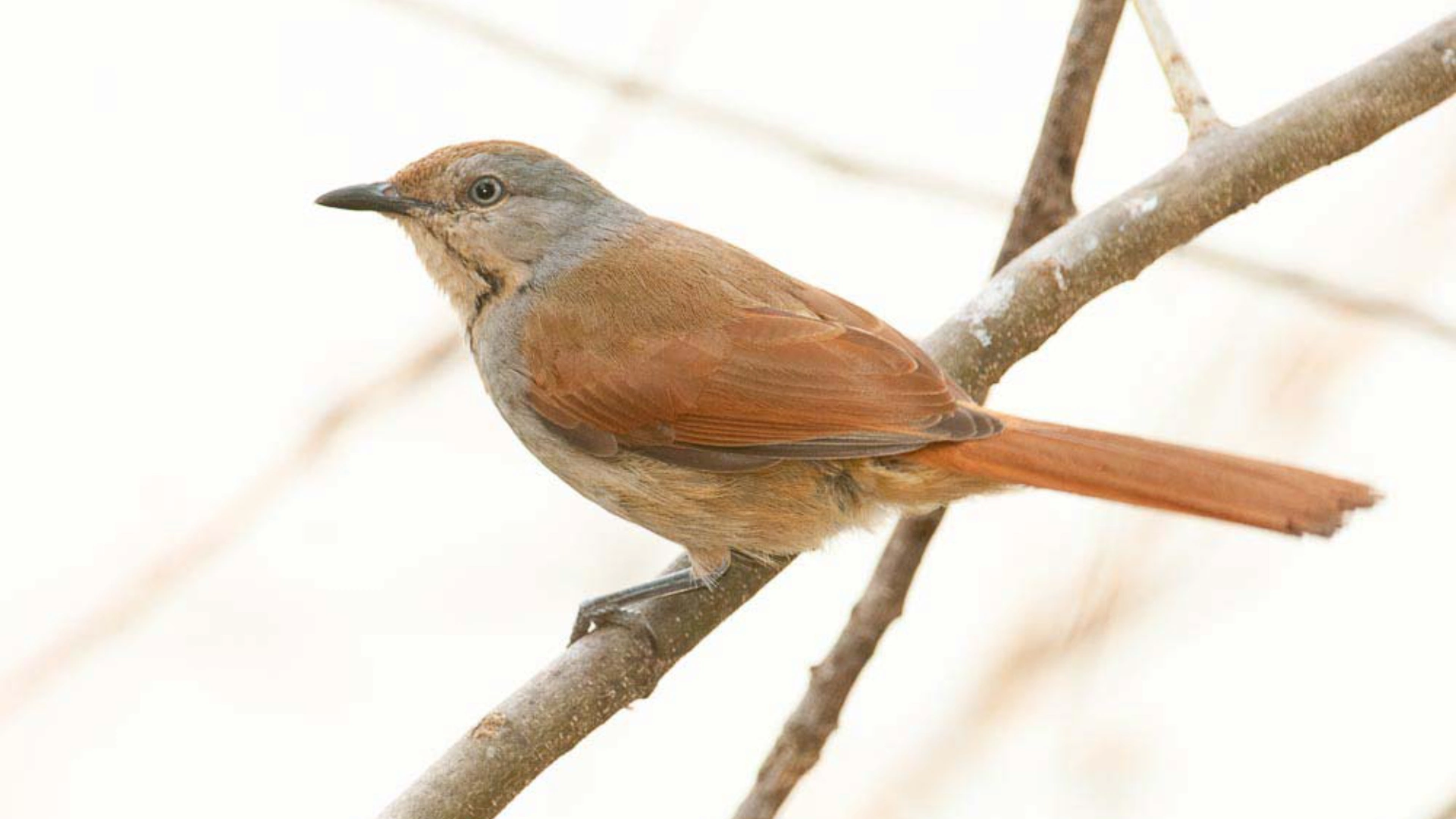
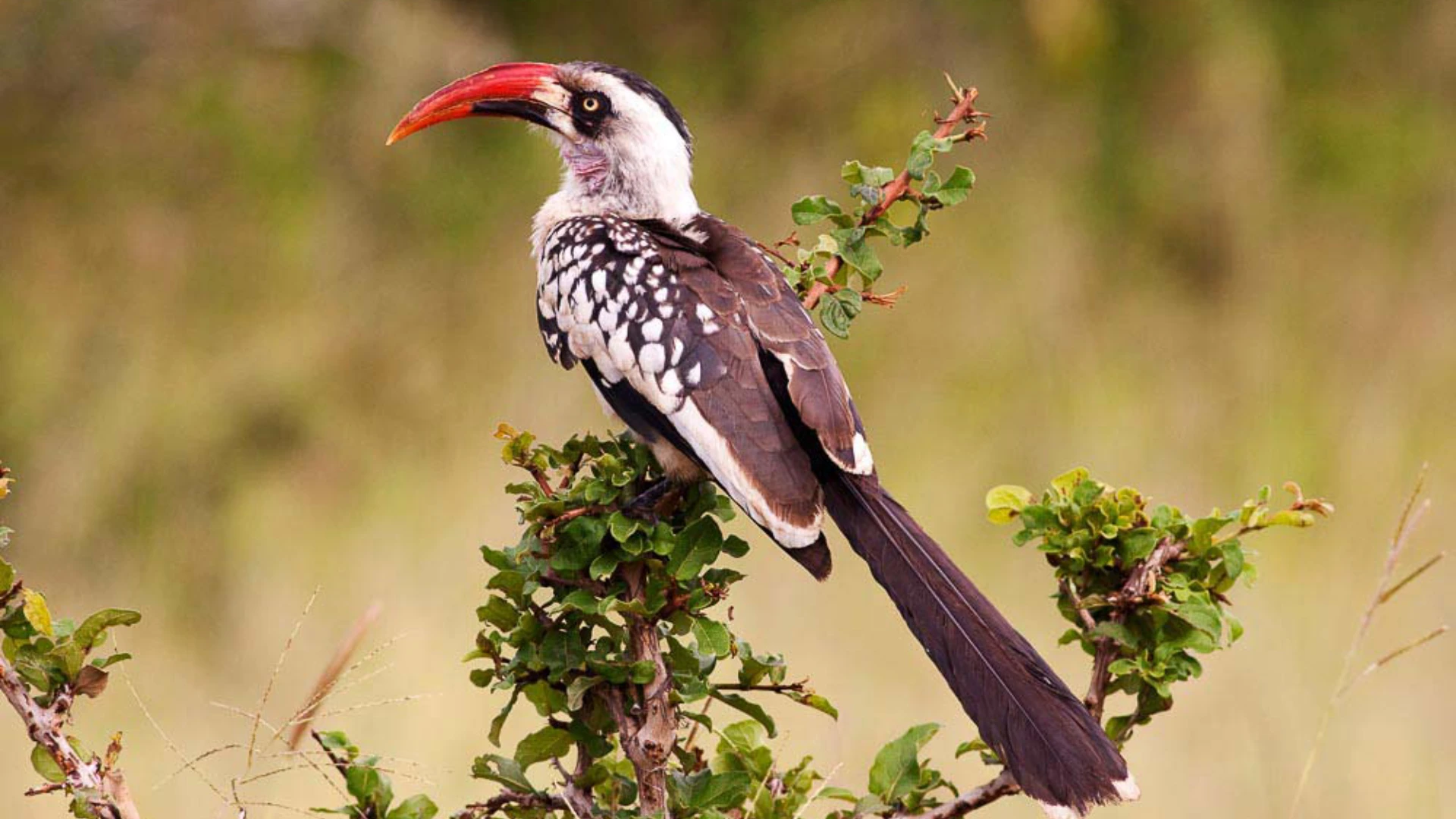
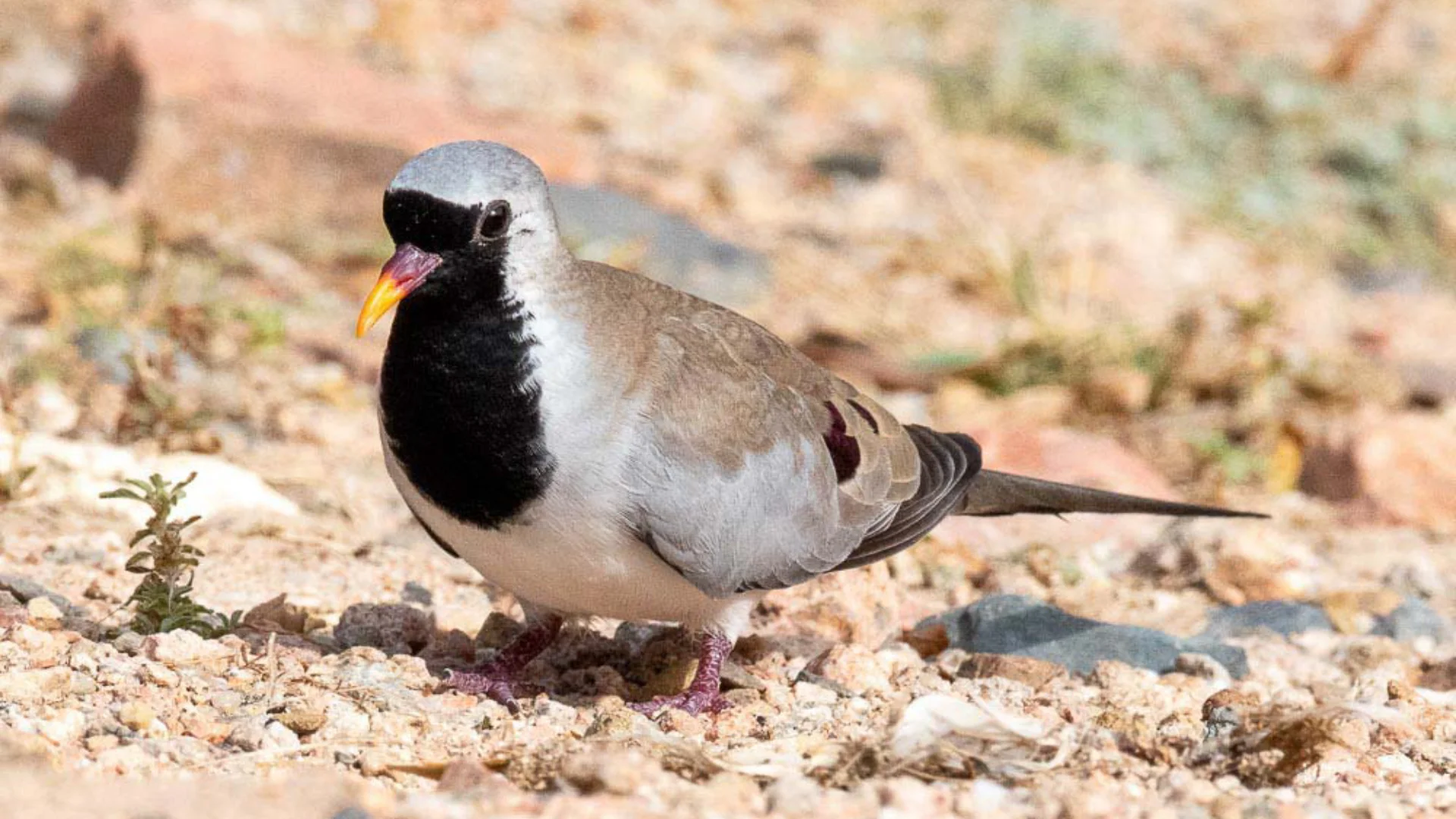
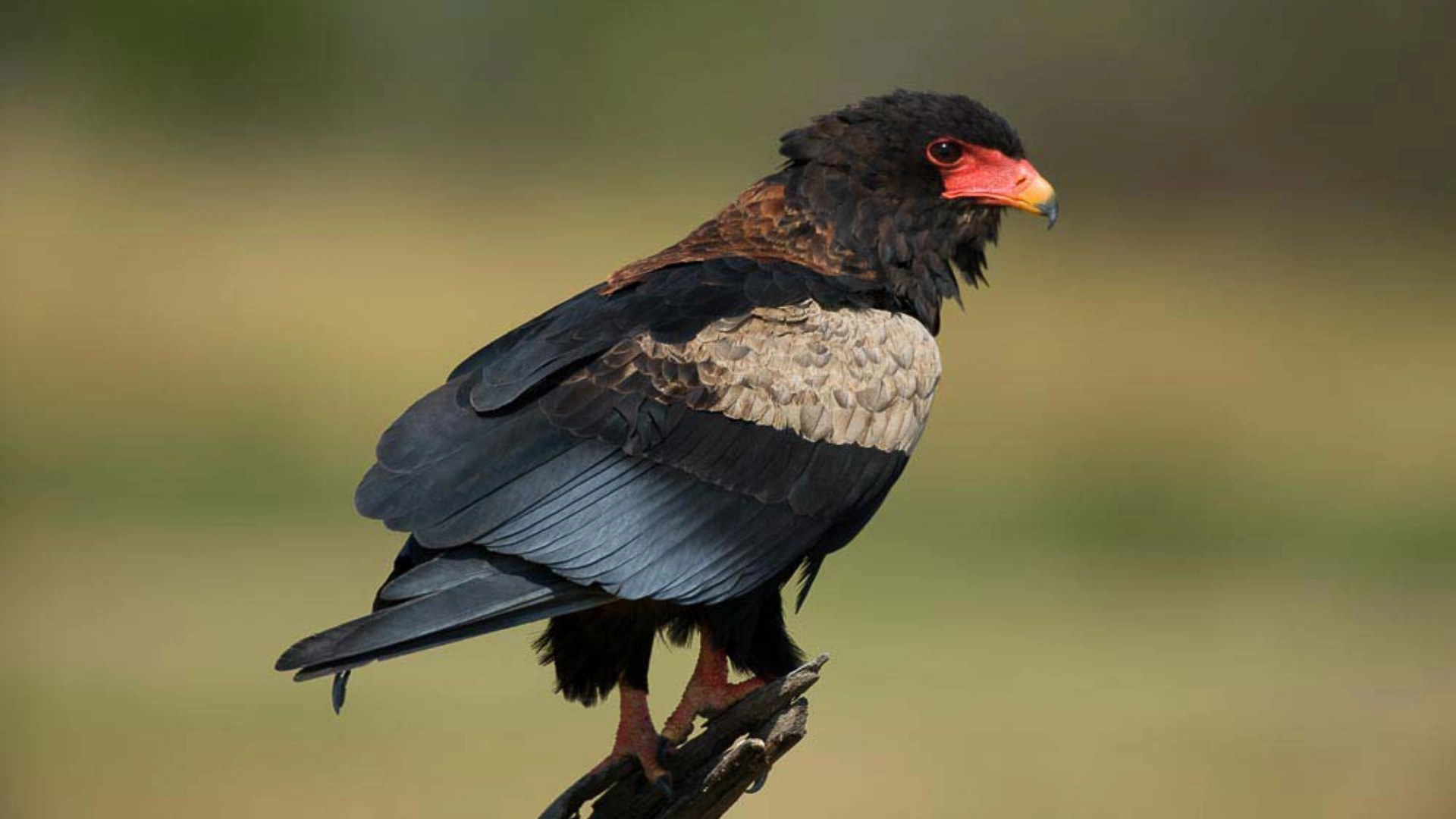
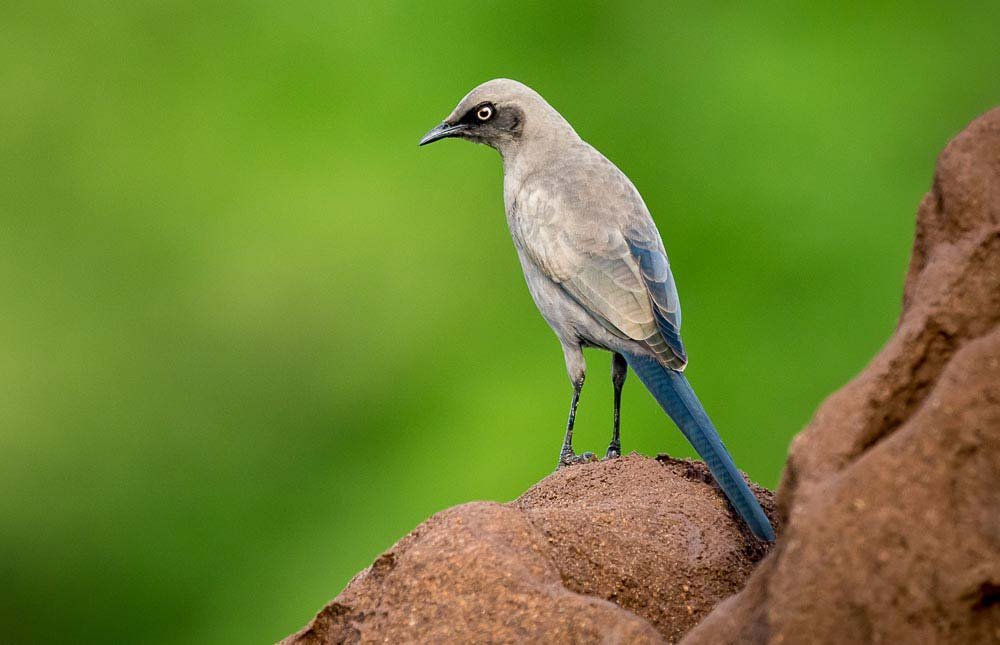
Beyond the well-known species, Ruaha National Park is a stronghold for rare and endangered animals, including the elusive African wild dog, sable antelope, and roan antelope. Bird enthusiasts will revel in the diversity, with over 570 recorded bird species, such as the vibrant crested barbet, violet-crested turaco, and various hornbills and raptors. The park’s varied landscape, featuring baobab-studded hills, miombo woodlands, and open savannahs, supports this rich biodiversity, ensuring exceptional wildlife viewing opportunities throughout Ruaha National Park.


The best time to visit Ruaha National Park for optimal wildlife viewing is during the dry season, from June to October. During these months, the vegetation thins out, and animals, including large herds of elephants and buffalo, congregate around the permanent water sources like the Great Ruaha River, making them easier to spot. The weather is generally warm with clear skies, providing excellent conditions for game drives. This period also offers fantastic opportunities to witness predator-prey interactions as animals are drawn to the dwindling water.

While the dry season is prime for game viewing, the wet season (November to May) transforms Ruaha National Park into a lush, green paradise. This period is a birdwatcher’s dream, with migratory birds arriving from Europe and Asia. Although game viewing can be more challenging due to thicker vegetation, you’ll experience fewer crowds and often benefit from lower accommodation rates. The “short rains” typically occur in November and December, while the “long rains” are from March to May.

Due to its remote location in central Tanzania, getting to Ruaha National Park usually involves flying.

  • By Air: The easiest and most recommended way to reach Ruaha National Park is by scheduled or charter flight from major hubs like Dar es Salaam or Arusha. Flights typically land at Msembe Airstrip or Jongomero Airstrip within the park. Airlines like Coastal Aviation, Safari Air Link, and Auric Air operate routes to Ruaha National Park. There are also flights connecting Ruaha National Park with other southern circuit parks, and even direct flights from the Serengeti on certain days, making multi-park safaris convenient.
  • By Road: While possible, driving to Ruaha National Park from Dar es Salaam is a long journey (approximately 9-10 hours) on often dusty and bumpy roads. Many visitors combine a drive with a stopover in Mikumi National Park. A 4×4 vehicle is essential for navigating the park’s internal roads within Ruaha National Park.
Ruaha National Park offers a range of authentic safari activities:

  • Game Drives: The primary activity, conducted in open-sided 4×4 vehicles, allows you to explore the vast landscapes and witness the incredible wildlife of Ruaha National Park. Early morning and late afternoon drives are often the most productive.
  • Walking Safaris: Guided walking safaris with an armed ranger are available at many lodges in Ruaha National Park. This offers a unique opportunity to experience the bush on foot, focusing on tracking, birdlife, and the smaller details of the ecosystem, providing a different perspective on Ruaha National Park.
  • Night Game Drives: Some lodges within or bordering Ruaha National Park offer night game drives, giving you the chance to spot nocturnal animals like civets, genets, bushbabies, and predators on the hunt, adding another dimension to your Ruaha National Park safari.
  • Hot Air Balloon Safaris: While not as common as in the Serengeti, some operators may offer balloon safaris over Ruaha National Park, providing a breathtaking aerial perspective of the park’s vastness and wildlife.
  • Birdwatching: With over 570 bird species, Ruaha National Park is a paradise for bird lovers, with excellent opportunities year-round, especially during the wet season.
  • Fly Camping: For the truly adventurous, some camps offer fly camping, allowing you to spend a night under the stars in a very remote part of Ruaha National Park, enhancing the wilderness experience.


Entry fees for Ruaha National Park are set by the Tanzania National Parks Authority (TANAPA) and typically consist of per-person daily fees, vehicle entry fees, and additional fees for activities like walking safaris or night drives. Fees vary based on nationality (non-resident, resident, East African citizen) and age. As of July 2025, non-resident adult daily fees are approximately $50-$59 USD per person, excluding 18% VAT. It is always recommended to check the latest official TANAPA tariffs or consult your tour operator for the most current and accurate pricing for your visit to Ruaha National Park.

Accommodation options within and around Ruaha National Park primarily consist of high-quality, eco-friendly tented camps and lodges. These range from luxurious, exclusive properties to comfortable mid-range options, all designed to offer an immersive bush experience while minimizing environmental impact. Many camps are strategically located along the Great Ruaha River, offering fantastic views and direct wildlife viewing opportunities from your tent or common areas within Ruaha National Park. Due to the park’s vastness and lower visitor numbers, accommodations tend to be more spread out, contributing to the feeling of an exclusive safari.

Weguide African Safari on Trip Advisor

Hier sind einige Erfahrungsberichte unserer Reisenden über ihre Erlebnisse mit WeGuide African Safaris