Arusha NationalPark

Übersicht

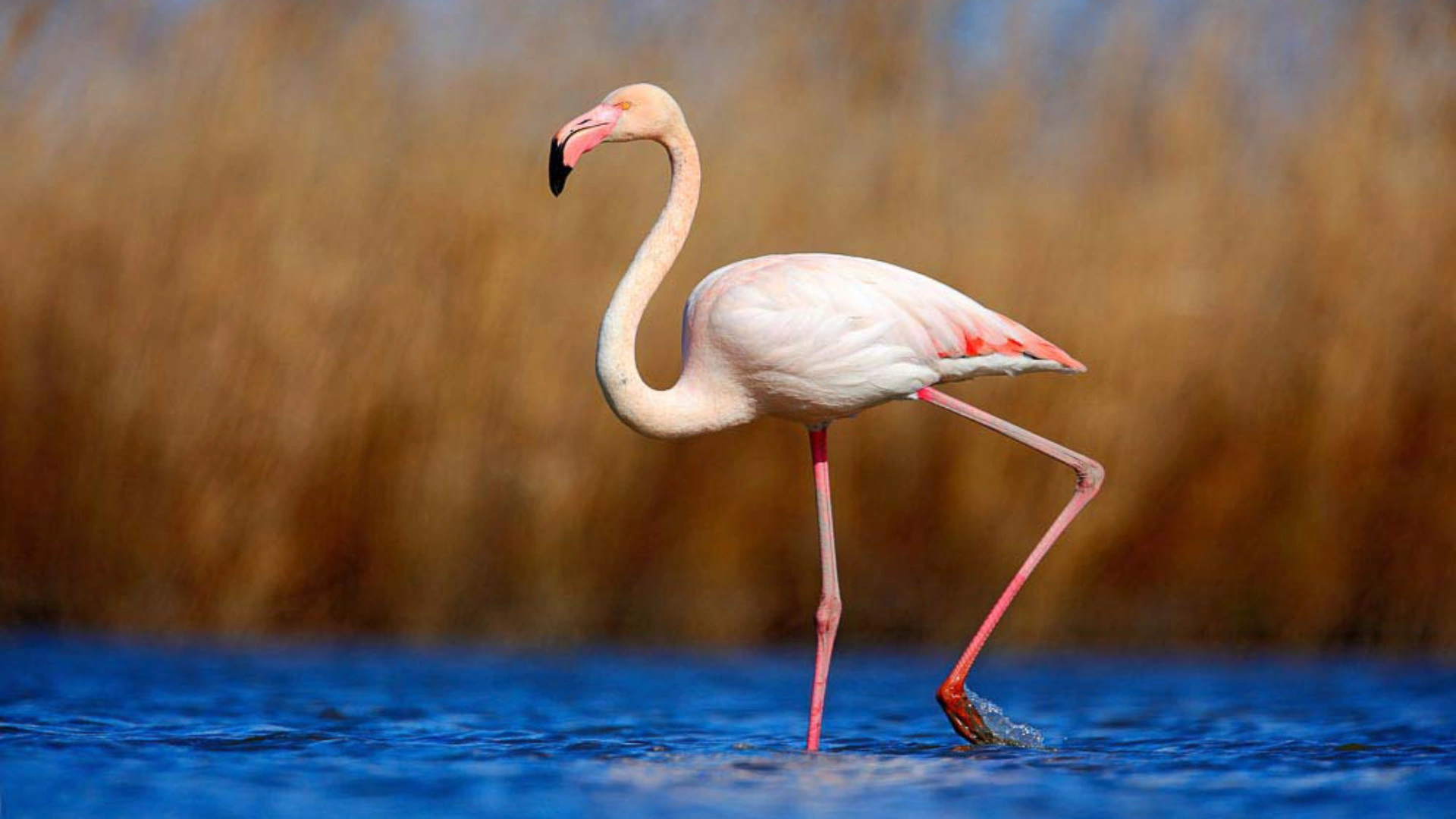
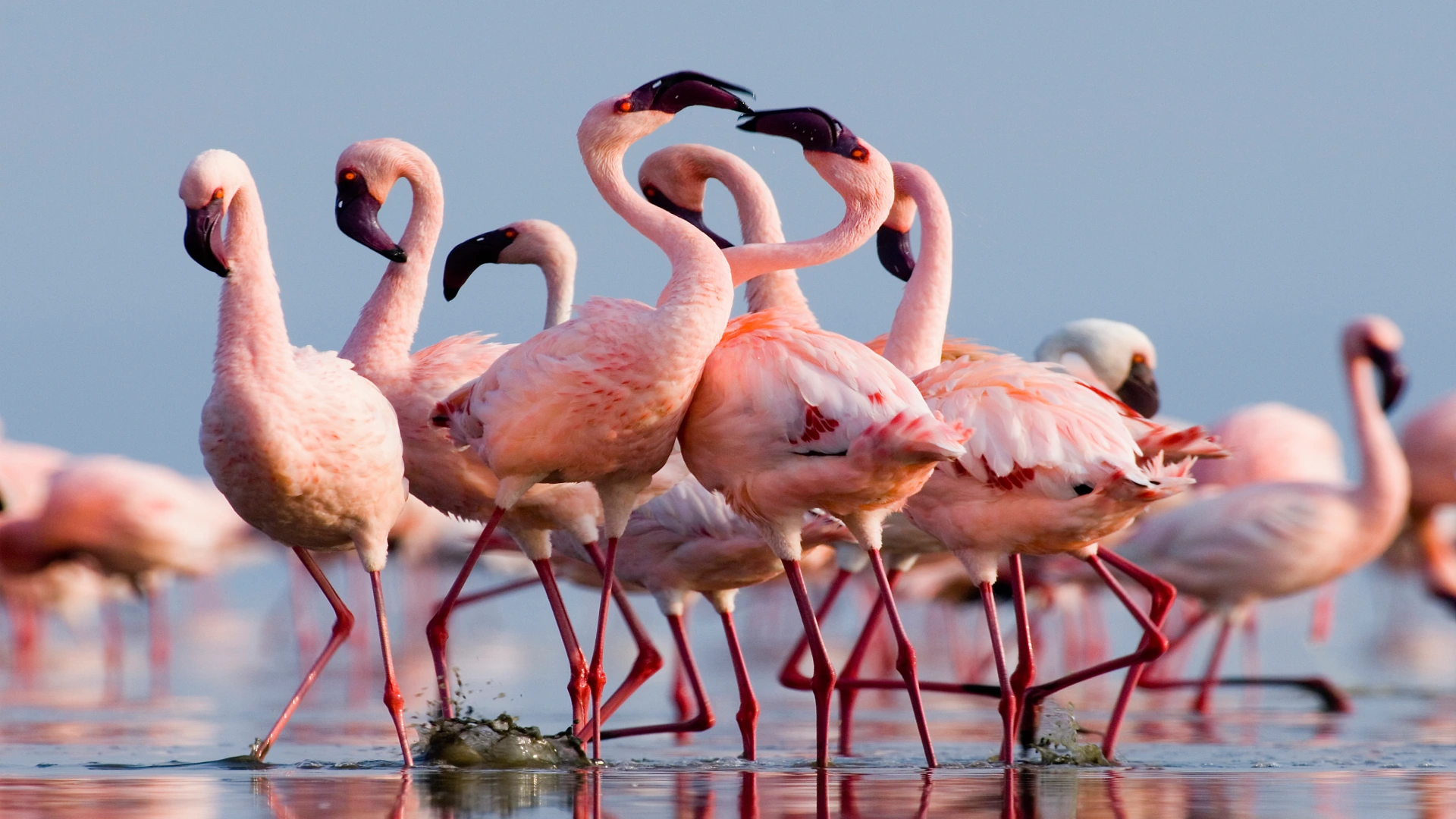
Der Arusha Nationalpark wird vom Mount Meru (4.562 m) dominiert, dem zweithöchsten Berg Tansanias nach dem Kilimandscharo. Die beliebte Besteigung dauert vier Tage. Eine Tageswanderung zum Meru-Krater ist weniger anspruchsvoll, aber ebenfalls sehr lohnenswert. Die Tierbeobachtung ist eher zurückhaltend, aber die abwechslungsreiche Landschaft, die Flamingoschwärme und die hervorragenden Möglichkeiten zur Vogelbeobachtung im Wald machen den Park zu einer großartigen Ergänzung einer Safari im nördlichen Teil des Landes.


Safari-Touren nach Arusha NationalPark

No data was found

Unterkünfte in Arusha NationalPark

Marafiki Beach Hotel
Nimali Mara
Olmorijo Migration Camp (Kogatende)
Serengeti Sound of Silence Tented Camp
Lake Eyasi Safari Lodge
Karatu Tented Lodge
Tarangire Safari Haven Camp
Lake Burunge Tented Lodge

Die Lake Burunge Tented Lodge liegt in spektakulärer Lage direkt am Ufer des Burunge

WEITERLESEN
La Luna Suite Apartments
Mwezi Boutique Resort

FAQ Über Arusha NationalPark

Arusha National Park is distinct for its varied landscapes and unique activities. It’s famous for:

  • Mount Meru: Tanzania’s second-highest peak, entirely within the park, offering challenging climbs and stunning views.
  • Momella Lakes: A series of seven shallow, alkaline lakes with varying colors, known for attracting thousands of flamingos and other water birds.
  • Ngurdoto Crater: A lush, forested caldera often called “Little Ngorongoro,” offering excellent game viewing from its rim.
  • Black-and-white Colobus Monkeys: This park is one of the best places in northern Tanzania to easily spot these beautiful, long-haired primates.
  • Walking Safaris and Canoeing: Unlike most other parks in the northern circuit, Arusha National Park offers these unique activities, allowing for a more immersive wildlife experience.

Despite its smaller size, the park boasts a good variety of animals:

  • Herbivores: Large populations of giraffes (it’s home to one of the world’s largest), zebras, Cape buffalo, waterbucks, bushbucks, and various antelopes like impalas and elands. You might also spot warthogs and hippos in the Momella Lakes.
  • Primates: Black-and-white colobus monkeys, blue monkeys, and vervet monkeys are common.
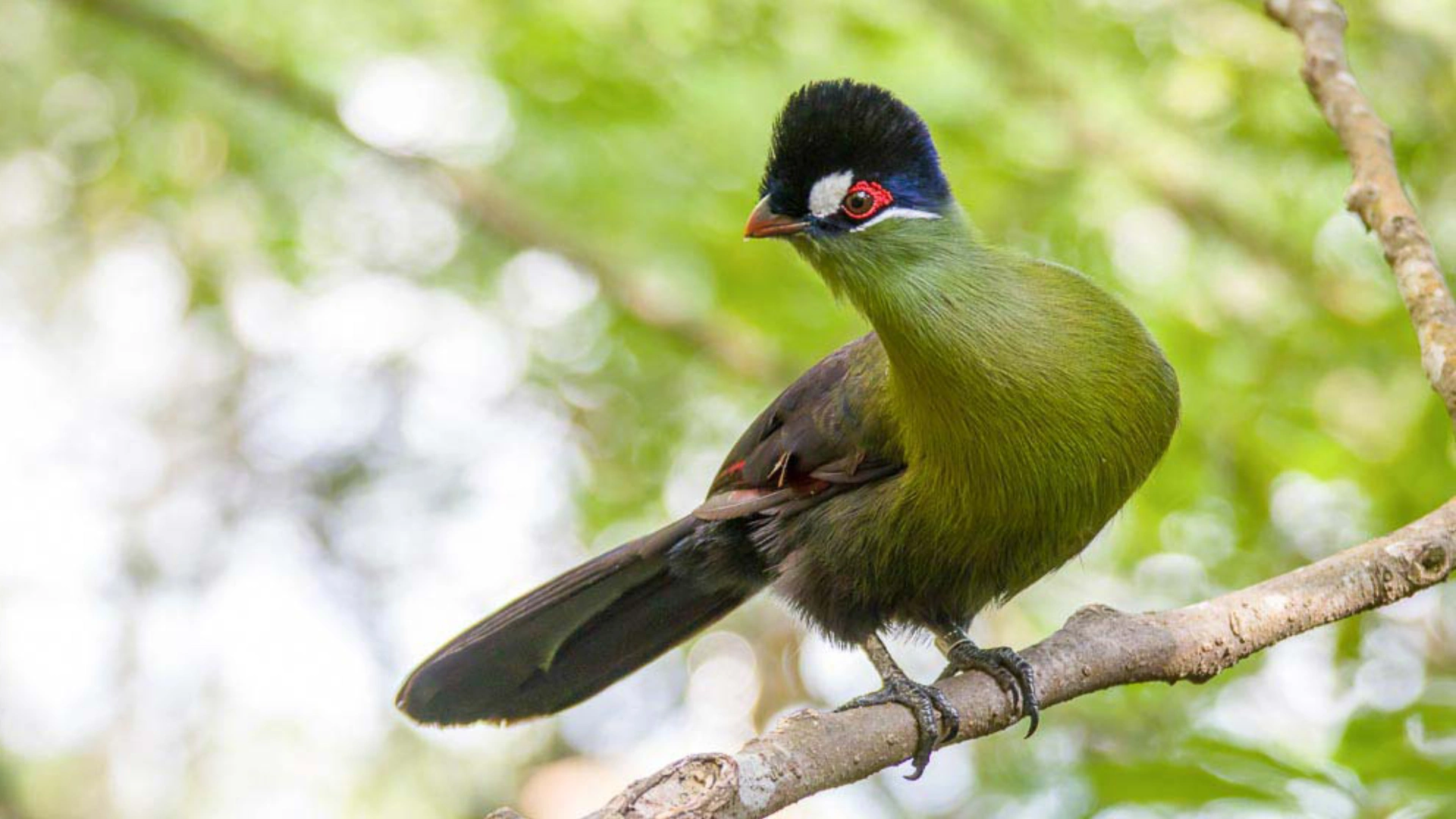
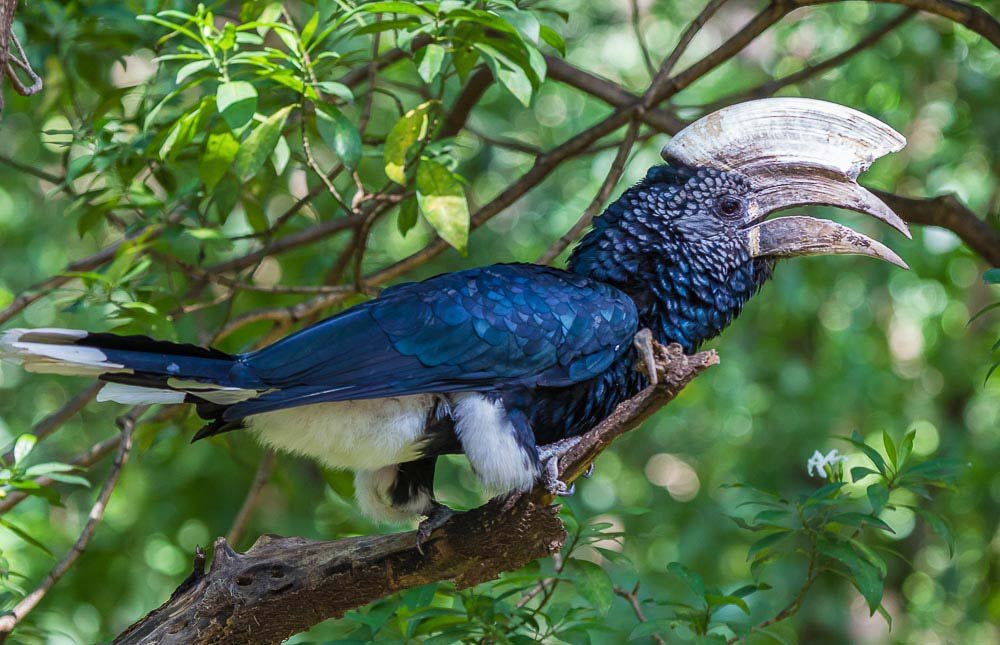
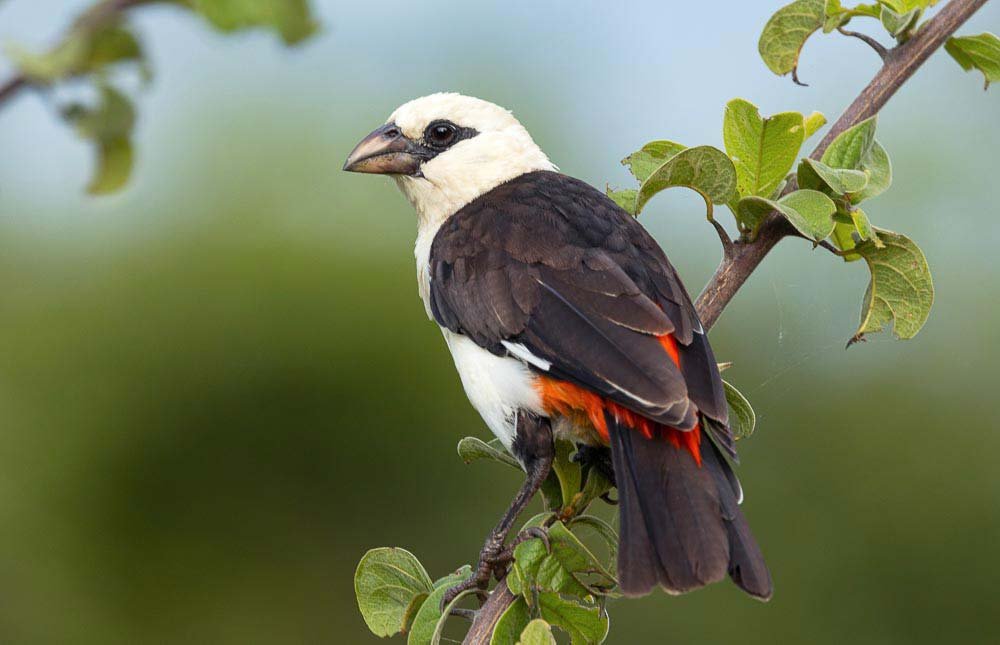
  • Birds: Over 400 species, including flamingos (especially on the Momella Lakes), pelicans, kingfishers, African fish eagles, and many forest-dwelling birds like turacos and trogons.
  • Elephants: Present, but usually in smaller numbers and more scattered than in parks like Tarangire.
  • Predators: Leopards and spotted hyenas are present but rarely seen. Lions are generally absent from the park, which contributes to its suitability for walking safaris.
  • Dry Season (June to October): This is generally considered the best time for wildlife viewing as animals congregate around water sources, and vegetation is thinner, making spotting easier. It’s also ideal for climbing Mount Meru.
  • Wet Season (November to May): The park is lush and green, offering beautiful photographic opportunities. This is the prime time for birdwatching, as migratory birds arrive. However, some roads might be muddy, and Mount Meru climbs can be more challenging due to rain. Flamingos can also be quite abundant on the Momella Lakes during this time.

Arusha National Park is perfect for a day trip from Arusha City. You can combine a game drive with a walking safari or a canoe safari. If you plan to climb Mount Meru, that will require 2-4 days.


  • Game Drives: Explore the various habitats, including the Ngurdoto Crater floor (viewed from the rim), the Momella Lakes, and the forested areas.
  • Walking Safaris: A major highlight! Accompanied by an armed ranger, you can walk through the savannah and forest, getting closer to giraffes, zebras, buffalo (from a safe distance), and various birds. Trails vary in length.
  • Canoeing: Enjoy a peaceful canoe safari on the Momella Lakes, offering unique perspectives of hippos, water birds, and the stunning scenery, with Mount Meru as a backdrop.
  • Mount Meru Climbing: A challenging but rewarding multi-day trek to the summit of Tanzania’s second-highest mountain. It’s often used as an acclimatization climb for Kilimanjaro.
  • Birdwatching: Excellent opportunities throughout the park, especially around the Momella Lakes.
  • Picnics: Enjoy packed lunches at designated picnic spots with scenic views

Mount Meru is considered a moderately difficult climb. It’s less challenging than Kilimanjaro but still demanding due to its steep ascent and altitude (4,566 meters or 14,980 feet).

  • Duration: Typically done over 3 or 4 days, with the 4-day option allowing for better acclimatization.
  • Requirements: Good physical fitness is essential. You will be accompanied by a guide, porters, and an armed ranger (due to wildlife).
  • Altitude Sickness: Still a risk, so proper acclimatization, hydration, and a slow ascent are crucial.

The park is incredibly accessible:

  • By Road: It’s located just about 30 km (45-60 minutes’ drive) from Arusha City, making it ideal for day trips.
  • From Kilimanjaro International Airport (JRO): It’s about 35 km from the airport.

As of July 2025, the estimated fees (excluding 18% VAT, which is usually added) are:

  • Non-resident Adults (16+ years): Around $50 – $59 USD per person per 24 hours.
  • Non-resident Children (5-15 years): Around $15 – $20 USD per person per 24 hours.
  • Children under 5: Free.
  • Vehicle Entry Fee: Approximately $10 – $20 USD (for locally registered cars).
  • Ranger Fee (for walking safaris): Around $23.60 USD per person.
  • Canoeing Fee: Typically around $79 USD per person (this usually covers the activity itself, not park entry).

Note: Fees are set by the Tanzania National Parks Authority (TANAPA) and can change. It’s always best to confirm the latest tariffs with TANAPA or your tour operator

Flamingo presence at Momella Lakes can vary. While they are often there in significant numbers, especially during the wet season (November to May) when water levels are higher and food is abundant, their exact numbers and presence are difficult to predict as they migrate between various alkaline lakes in East Africa based on water levels and food availability. You’re likely to see a good variety of other water birds regardless.

While possible, it’s generally recommended to hire a safari vehicle with an experienced driver-guide for a better and safer experience. They know the park, where to find animals, and how to navigate the terrain.

Arusha National Park offers a refreshing and unique addition to any Tanzanian safari itinerary, especially for those who enjoy active excursions beyond traditional game drives.

Weguide African Safari on Trip Advisor

Hier sind einige Erfahrungsberichte unserer Reisenden über ihre Erlebnisse mit WeGuide African Safaris